
How to Edit Videos Differently for Meta and YouTube in 2026: The Complete Creative Guide

Uploading the same video everywhere is the quickest way to fall short on each platform. Meta and YouTube have very different algorithms, very different audience behaviors, and very different creative requirements. The brands and creators succeeding in 2026 know that editing is not an afterthought – it is the key performance variable.
Why Editing Is Now the #1 Marketing Lever
The last few years have seen a revolution in paid media. Platforms like Meta, TikTok, and YouTube no longer value targeting sophistication like they used to. In fact, with algorithmic optimization taking care of the rest, creative has become the only performance variable. And in 2026, editing is infrastructure. Those that get it are outperforming those that don’t.
The First 3 Seconds: The Universal Truth
You have less than 1.5 seconds to hook the scroll on Meta. The most successful hooks in 2026 are the ones that combine an on-screen headline with a real-world action, such as walking into the video.
Hooks need to be short, motion-based, and safe zone-friendly. For a B2C example, a beauty brand can begin an Instagram Reel with “See your glow in just 7 days” in huge letters and a quick application of the product. For a B2B example, a SaaS company can begin a LinkedIn video with “Stop wasting 5 hours a week on manual reporting” and a fast demo of the dashboard.
Editing for Meta: Raw, Vertical, and Silent-First
You have under 1.5 seconds to stop the user’s scrolling in Meta. The best hooks in 2026 combine an on-screen headline with a physical movement, like walking into the frame.
Vertical, raw, social native ad content is not a trend; it’s what Meta is rewarding. The more your ad looks like something your friend would post in their Stories, the higher its performance.
Most users will scroll through their Facebook feed in a shared space like a bus or cafe, and their volume will be off. You have to hook your user visually in the first three seconds and use dynamic text to tell your entire story completely silently.
The essential Meta editing guidelines for 2026: record in 9:16 vertical ratio, employ bold captions from frame one, keep videos under 30 seconds for Reels, opt for raw footage with a UGC feel instead of production values, and introduce the benefit or shock view first.
Editing for YouTube: Depth, Trust, and Dual Formats
For YouTube channels, for instance, future-proof channels are using a double-edited style with high-energy quick cuts and multiple camera angles, even for something as mundane as a podcast, to ensure that the viewer does not get bored, as well as using more cinematic takes with grain and lighting to create a deep level of trust and connection, similar to Netflix.
As for YouTube ads, the travel agency can produce one 30-second ad that covers the whole customer experience, and then shorten it to a 15-second version for YouTube skippable ads and a 6-second version for YouTube bumper ads for brand awareness.
The most efficient production strategy for 2026 would be “film once, edit many.”
Platform-Native Creative Rules
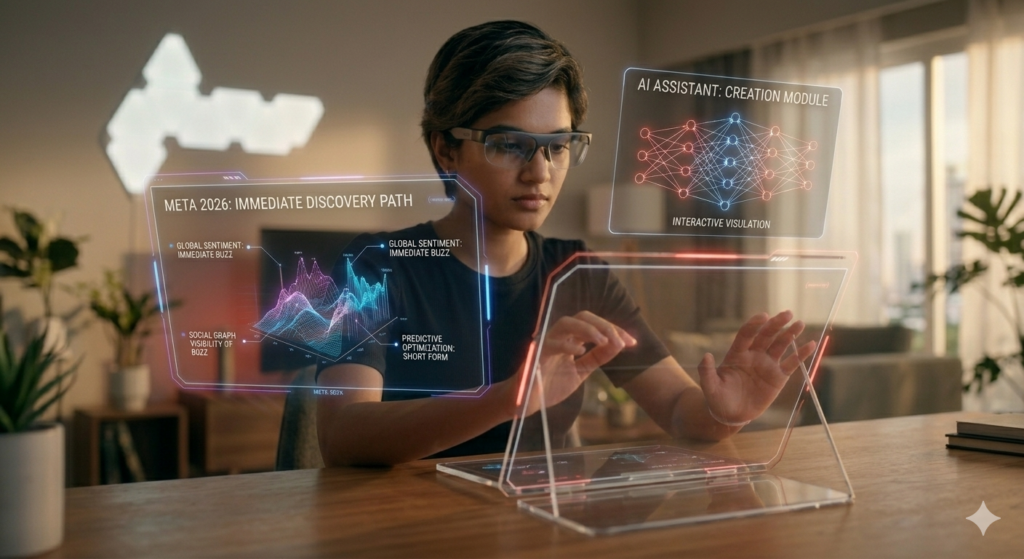
Short-form ads are best for acquiring cold audiences due to their ability to provide concise messages, quick hooks, and quick value propositions. The style for editing a short-form ad is often fast cuts, aggressive captions, and quick clarity. Long-form ads, on the other hand, perform best in situations where persuasion depth is important, such as complex offers, high-ticket items, and education-based sales that take advantage of more storytelling.
Given that most short-form video content is viewed on smartphones, a vertical-first approach is not optional. Keep your design in 9:16 or square ratios to maximize screen real estate, with prominent high-contrast text for mute audiences and CTAs placed where they are viewable in mobile-friendly zones.
The Golden Rule
As the website Media Serve puts it: “If it looks like an ad, they’ll skip it. If it looks like a person, they’ll listen.” Billo By combining technology with unadorned, human-oriented storytelling, you turn your video into a digital resource that grows your brand.