
Logo Design Tips: How to Create a Memorable Brand Identity

In the highly saturated market environment of 2026, the logo represents the visual DNA of a brand and becomes a crucial element of brand anchoring through consumers’ perception and trust building. Even though AI systems enable an almost unlimited number of options to be produced when designing logos, a really good logo design needs more than a mechanical approach to achieve the goal. Indeed, a logo is much more than just a nice graphic image; it is an effective device for communicating essential values, the mission statement, and the company’s personality.
The first principle in the creation of a memorable logo is the “correction” for simplicity and “tactile craft.” As people become more tired of the digital experience, there is a need for logos that are more tangible and realistic, with the inclusion of textures such as those found in paper or natural forms. The simple logo makes it possible for the logo to be recognized in various contexts ranging from high-definition screens such as the 8K screen to small images such as the favicon image on a phone browser.
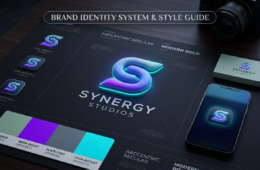
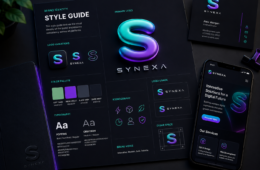
Color and typography will always be the most psychologically potent tools in the designer’s arsenal. In 2026, there is a move against sterile and “safe” minimalism toward elastic typography, where fonts can flex based on their surroundings, and new nostalgic palettes that incorporate the use of neon colors and natural shades. Every color selected must serve its purpose by being a technical requirement and evoke an emotional response; for example, blue continues to be a default for safety and trustworthiness, but teal and violet are emerging to symbolize innovation and “cyber defense.”
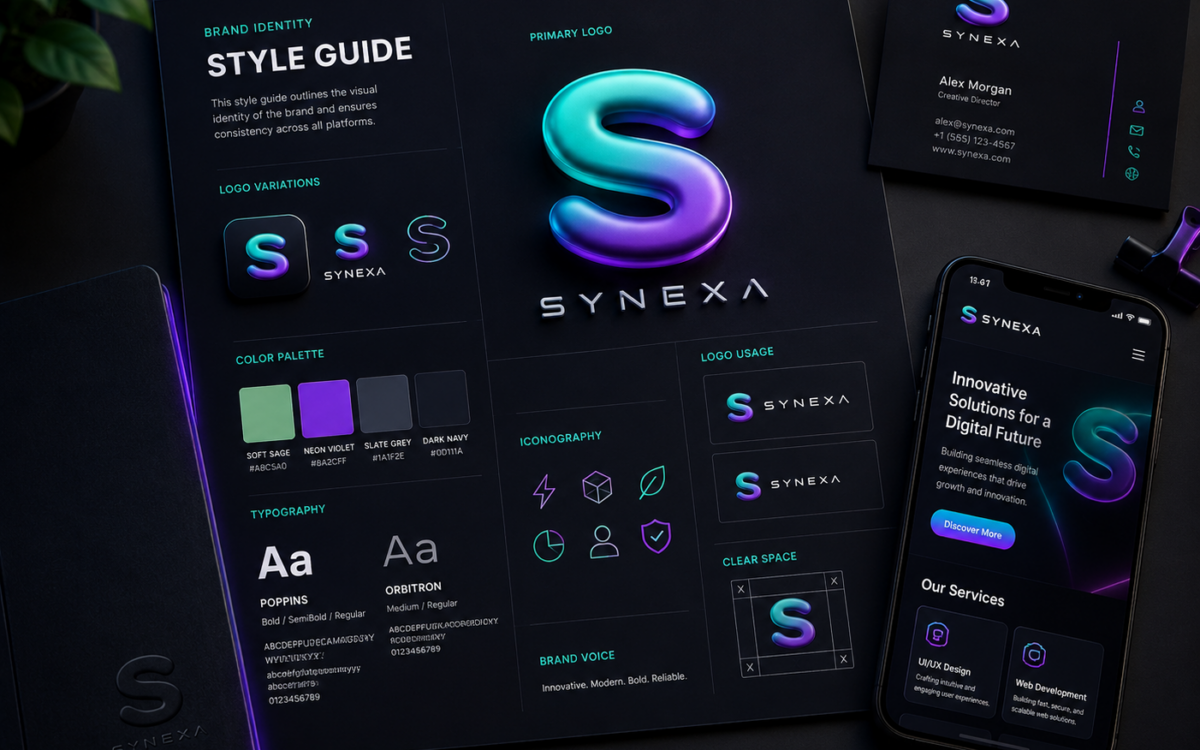
Versatility has become not only necessary but mandatory for modern-day brand identity designs. The design of the logo needs to take into consideration the concept of “adaptive visual identity,” where the logo is designed in a way that can be used consistently irrespective of color, background, or size. In this process, one will need to build a “logo system” consisting of a primary logo mark, an icon, and the wordmark. It will ensure that your brand is always top-of-mind in any environment, from VR to even a simple WordPress header.
In conclusion, the ultimate measure of success for a logo lies in its sustainability and its role in serving as “social currency” for the company. Instead of the “AI-generated” aesthetic, it is time to focus on strategic storytelling and embrace uniqueness in design. By marrying classic design techniques with the advanced technologies of 2026, such as incorporating “squishy” 3D design or prioritizing motion-first design, you can establish a strong identity that goes beyond catching the eye to fostering a community.